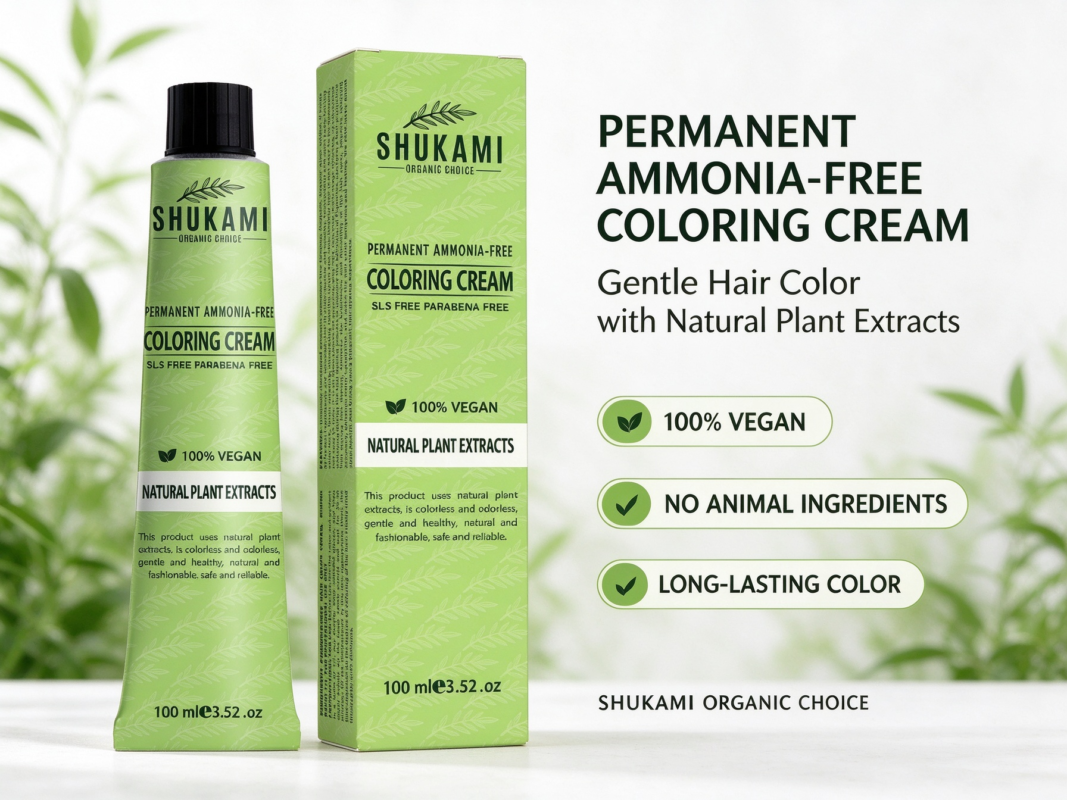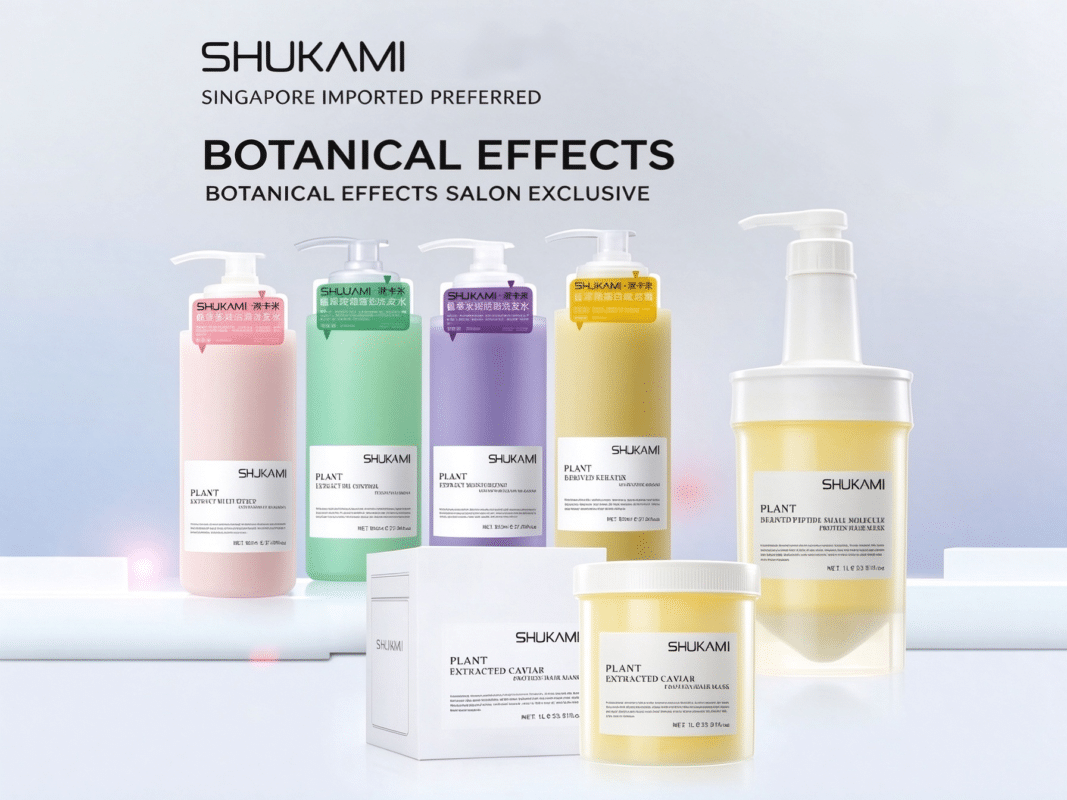
Shukami plant extract treatment color

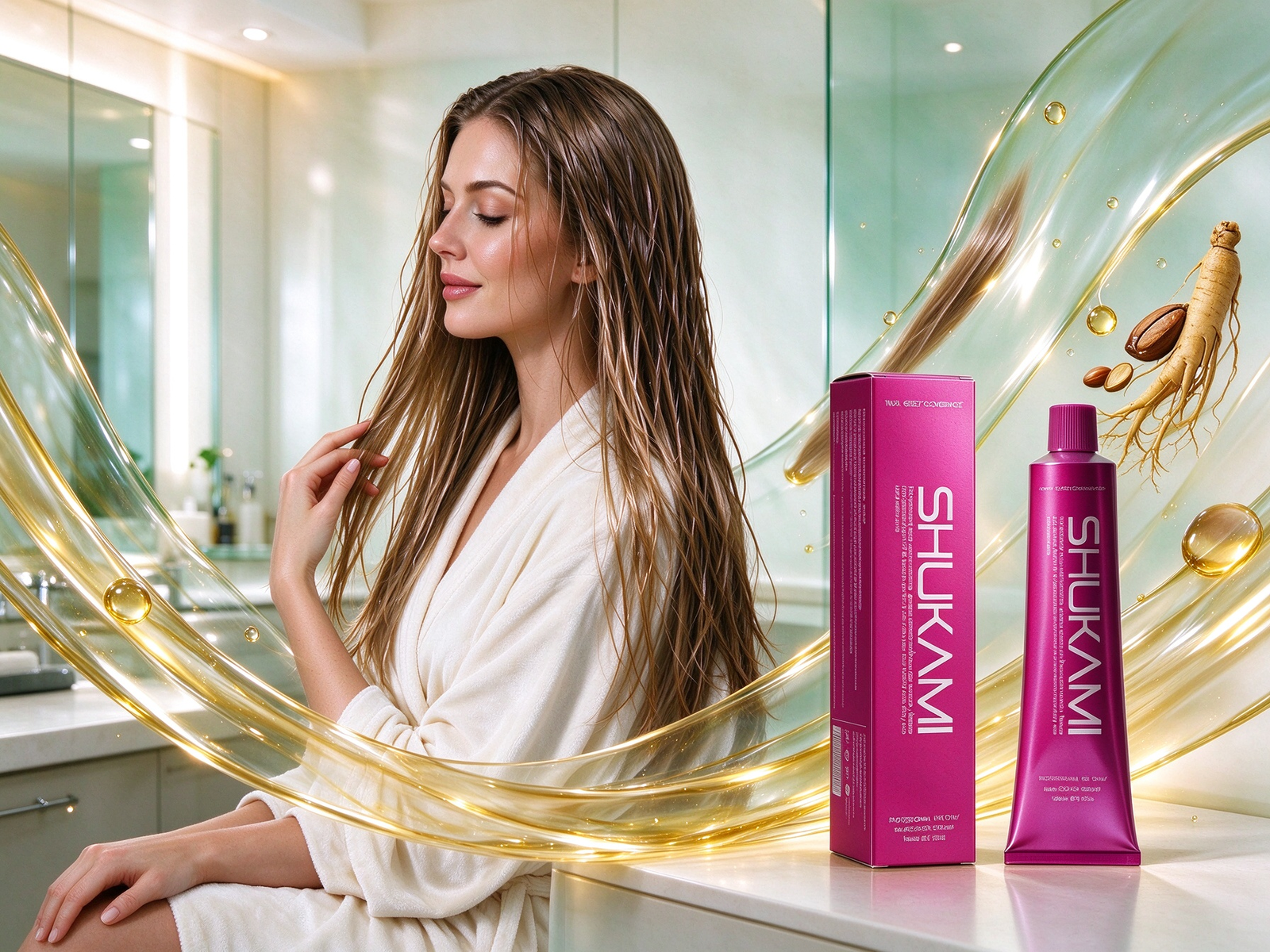
The Secret to Damage-Free Hair Coloring: How Five Ingredients Redefine "Healthy Coloring"
After dyeing your hair, you might admire the color in the mirror, only to find your strands feeling dry and coarse to the touch—a trade-off that has long been considered an "inevitable cost" of coloring. In recent years, however, cosmetic chemists have sought to rewrite this rule, transforming the dyeing process into a form of hair care. Today, we’ll examine five key ingredients to uncover what’s really happening inside a bottle of "low-ammonia, plant-based" hair color.
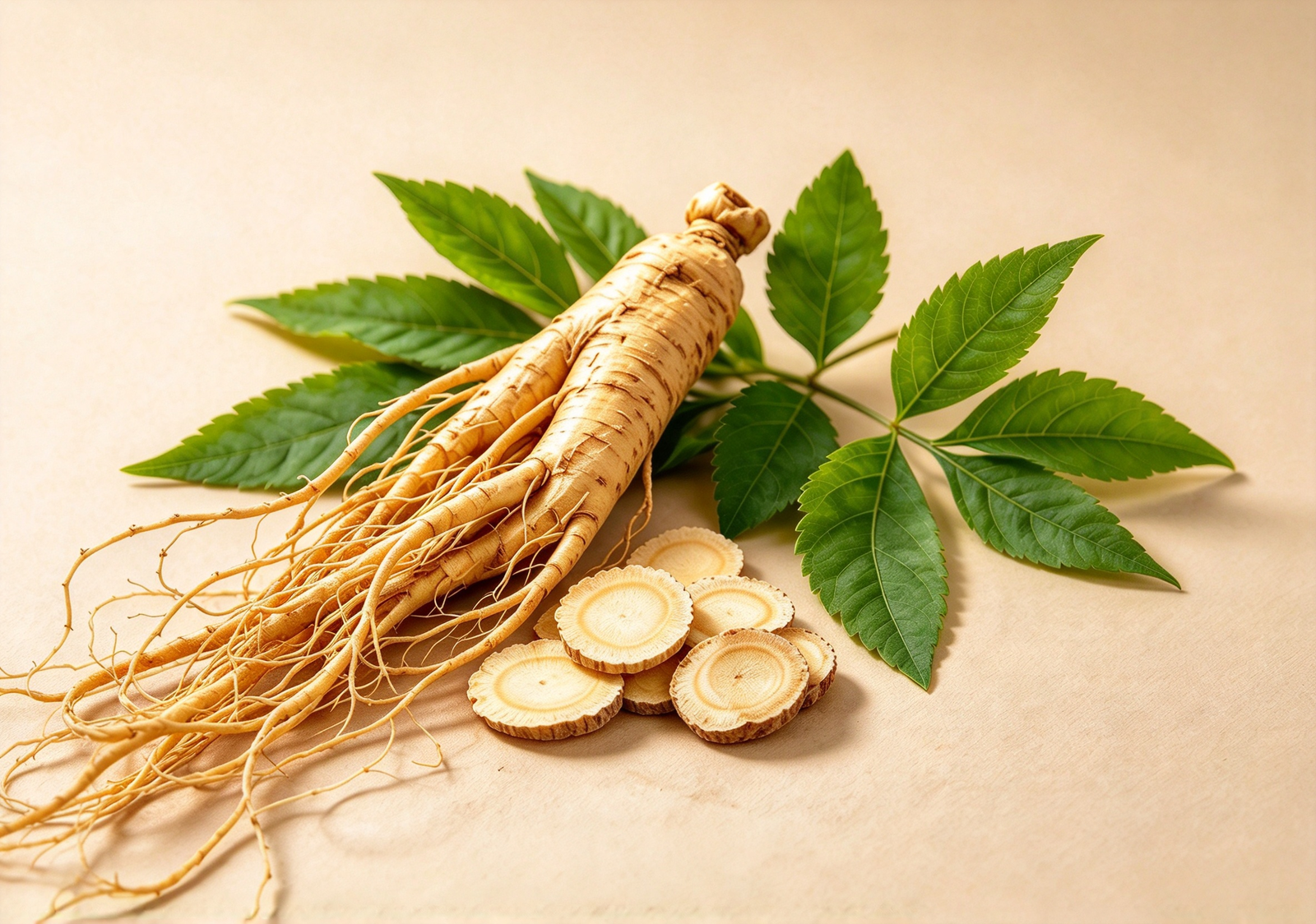
Ginseng Root: More Than Just a "Tonic"—Targeting the Hair Follicle
Ginseng appears frequently in hair care products, but its mechanism of action warrants a closer look. A study published in *Phytotherapy Research* found that ginseng root extract and the ginsenoside Ro can inhibit the conversion of testosterone into dihydrotestosterone (DHT)—a key factor in androgenetic alopecia (pattern hair loss). While hair dye remains on the scalp for only a short time, low-ammonia formulas minimize the excessive opening of the hair cuticle, creating a window for ginsenosides to penetrate. In other words, rather than attempting to "repair" hair after the coloring process, it works to alleviate stress on the hair follicles during the actual coloring phase.
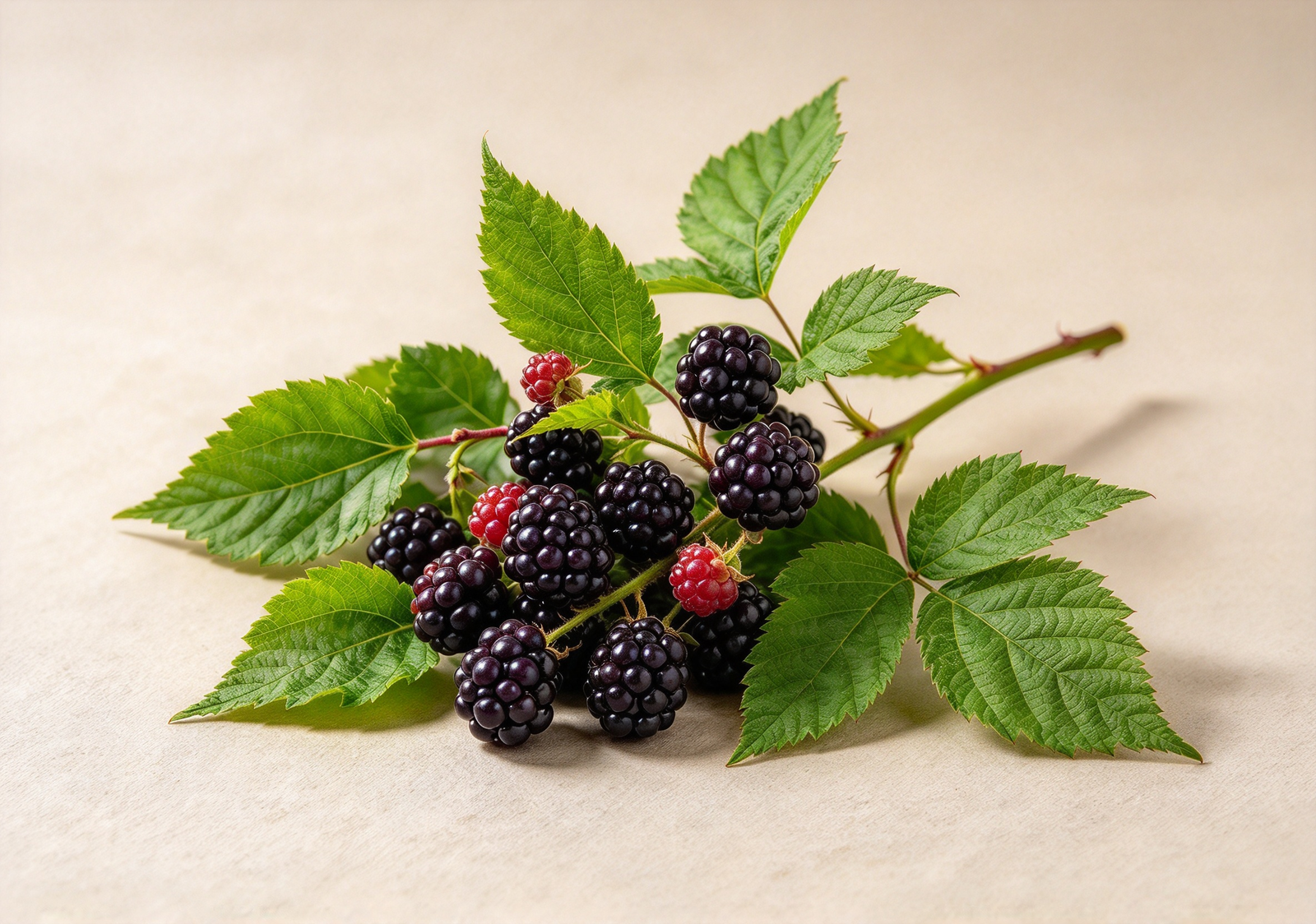
Mulberry Root: An Underrated Partner for Color Fixation
In traditional hair-coloring formulas, mulberry root is often used as a botanical coloring aid. Its value lies in its synergy with chemical dyes: the active components in mulberry root extract help pigments distribute more evenly within the hair shaft, reducing the risk of "patchy" or uneven color—a common issue when hair cuticles are damaged to varying degrees. In low-ammonia hair dyes, where the reduced ammonia content means cuticles open less widely—leaving a narrower pathway for pigments to enter—mulberry root plays a crucial role in facilitating the spread of the dye, ensuring that color is both effectively deposited and evenly distributed.
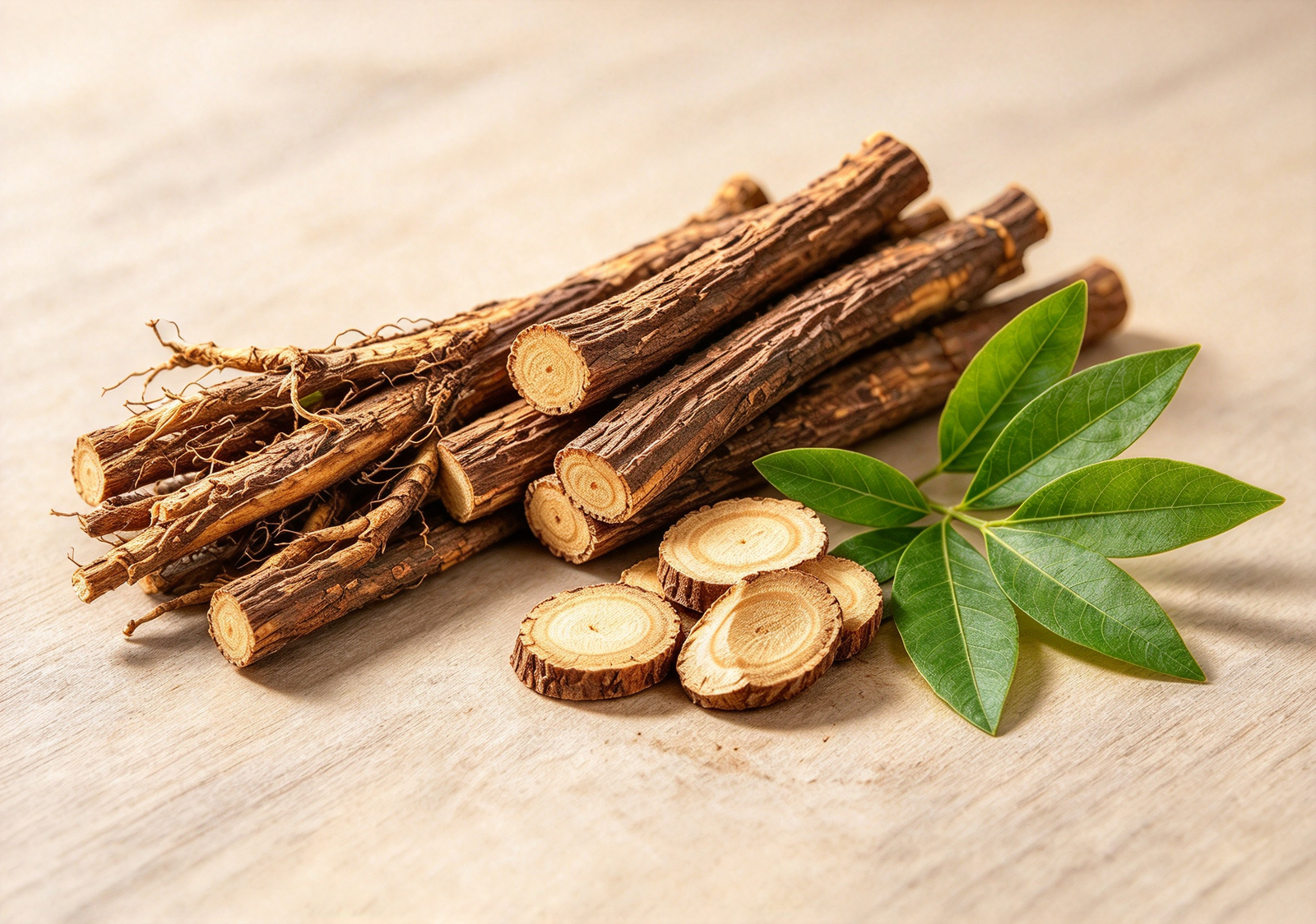
Licorice Root Extract: A "Buffer Layer" for the Scalp
Scalp discomfort during hair coloring is largely caused by the irritating effects of alkaline agents on the skin. Glycyrrhizic acid and glycyrrhetinic acid, found in licorice root, possess well-documented anti-inflammatory properties. A 2022 study exploring the delivery of active licorice components via hair follicles for the treatment of hair loss confirmed the viability of licorice extract within the scalp environment. In low-ammonia hair dyes, licorice root extract acts as a "buffer"—while it does not neutralize alkalinity, it mitigates the micro-inflammatory response triggered by an alkaline environment, making the coloring process gentler on sensitive scalps.
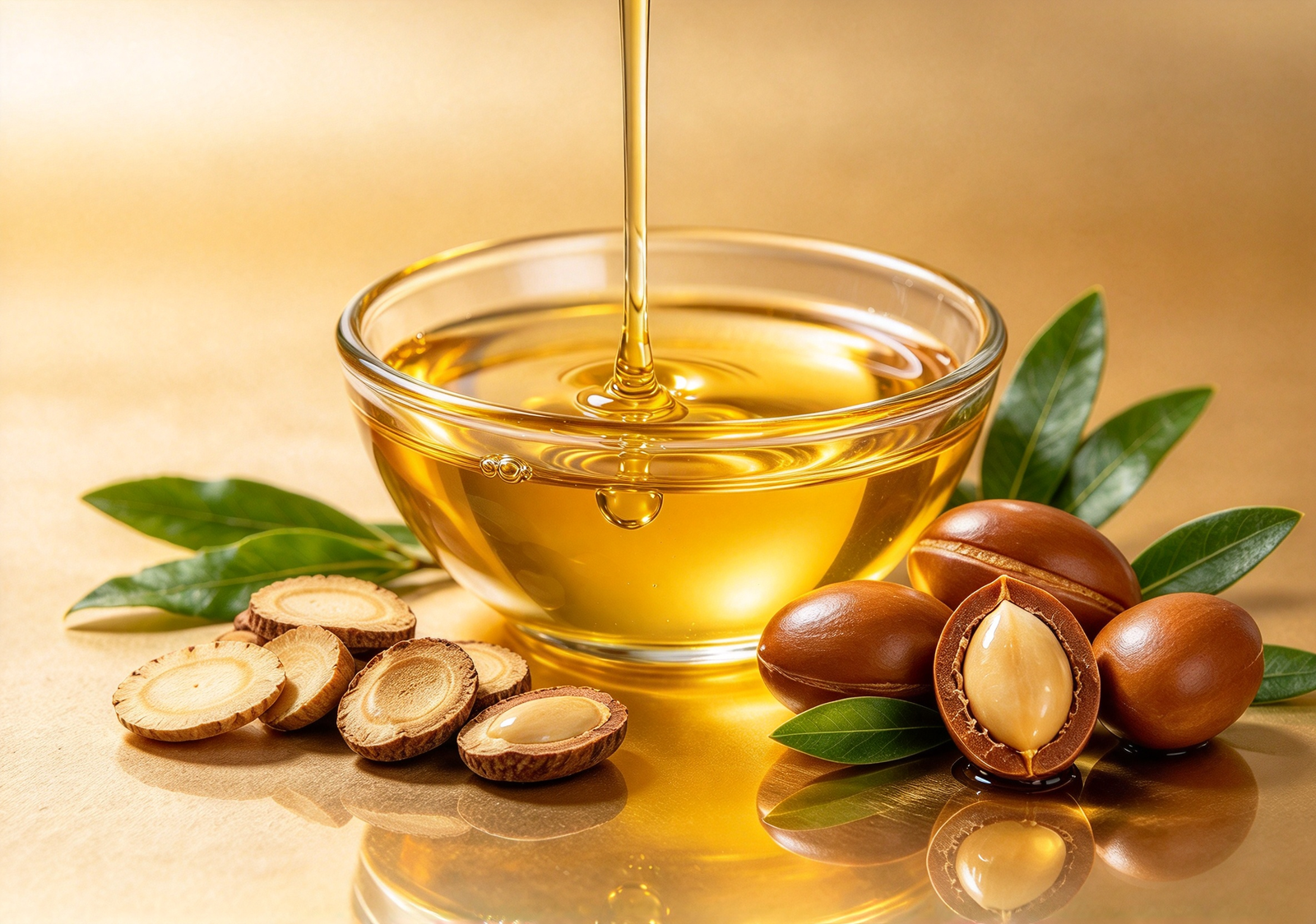
Argan Oil: Lipid Replenishment During the Coloring Process
Among the five ingredients, this one has the most direct supporting research. A 2022 study published in the *Journal of Cosmetic Dermatology* specifically examined the efficacy of argan oil as a pre-treatment against oxidative damage, finding that it helps reduce the loss of hair proteins. The hair-coloring process is inherently oxidative: hydrogen peroxide not only opens the hair cuticles and lightens existing pigment but also oxidizes the lipids and proteins within the hair shaft. The oleic and linoleic acids found in argan oil act as a lipid-based protective layer during the chemical reaction, helping to prevent excessive moisture loss from within the hair. The reason hair feels "less dry" after coloring is largely due to ingredients like these.
Keratin: Repairing the "Gaps" Created During the Coloring Process
Hair is composed primarily of keratin. During the coloring process, an alkaline environment causes the hair cuticles to open, while hydrogen peroxide breaks down melanin—a process that also disrupts the disulfide bonds within the keratin, which are essential for maintaining the hair's strength and elasticity. A 2025 study on the use of liposome-encapsulated keratin to repair photodamaged hair demonstrated that such keratin can penetrate the hair cortex, significantly reducing protein denaturation and lipid peroxidation. Incorporating keratin into low-ammonia hair dyes follows a "repair-while-disrupting" logic: as disulfide bonds are partially broken, exogenous keratin peptides fill the resulting gaps, preventing a drastic decline in the hair's diameter and tensile strength.
What Does "Low-Ammonia" Mean?
Finally, let’s discuss "low-ammonia." In traditional hair dyes, ammonia serves to open the hair cuticle and adjust the pH level; however, its pungent odor and irritating nature often deter many people. Low-ammonia formulas typically replace a portion of the ammonia with substances like monoethanolamine (MEA), which maintains the necessary alkalinity while reducing both volatility and odor. It must be noted, however, that "low-ammonia" does not mean "zero irritation," nor does it imply that one can dye their hair an unlimited number of times. Its true value lies in providing a greater margin of safety for the scalp and hair while still achieving the desired color. When combined with the aforementioned botanical extracts and keratin, it ensures that "coloring" and "nourishing" are no longer mutually exclusive choices.
While a single bottle of hair dye cannot reverse existing damage, it can ensure that as damage occurs, it is simultaneously being repaired. This is perhaps the most honest definition of "healthy hair coloring" available today.