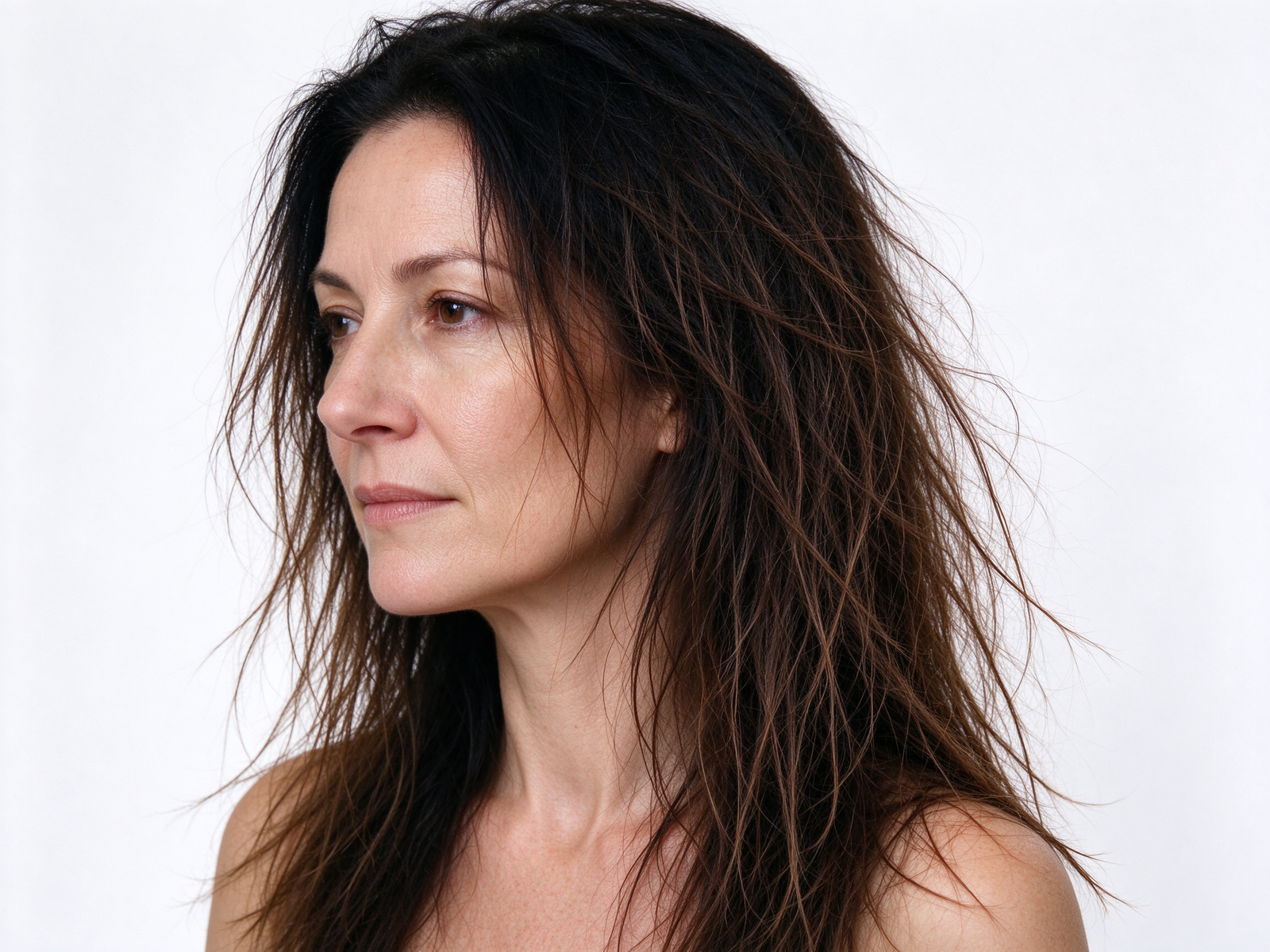
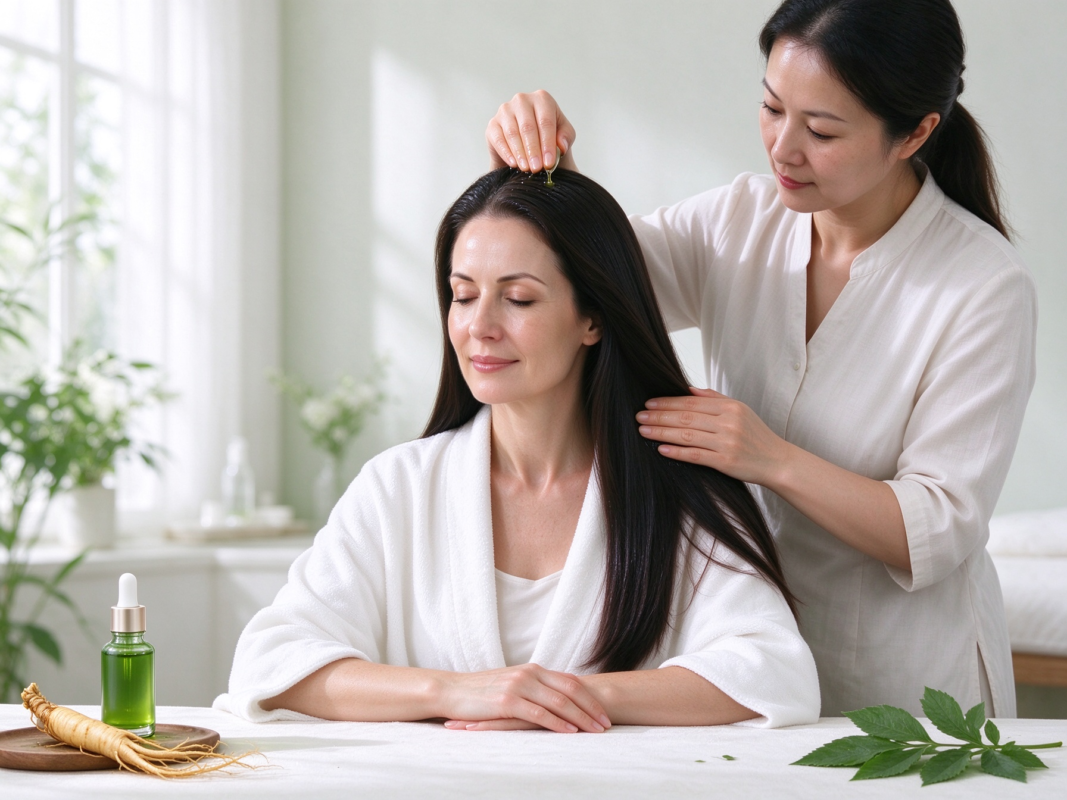
Many of us dream of lustrous, healthy hair; however, the reality often looks a tad different. Dryness and damage are often the norm for many people. Though some causes of a brittle, unmanageable mane (think the natural aging process and medical conditions) are beyond our control, we do have considerable agency over how we care for our hair to enhance a broader wellness ritual.
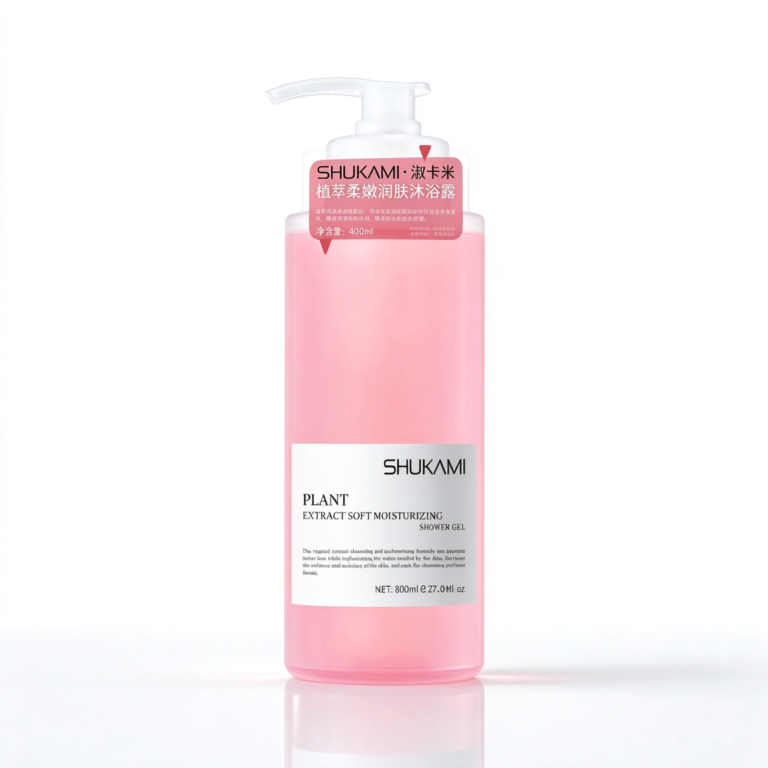
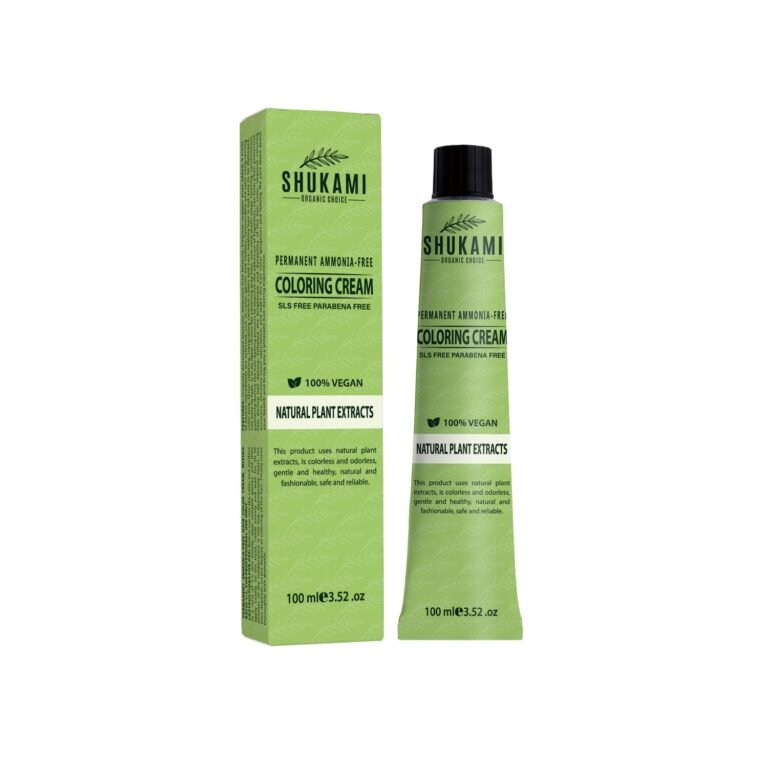
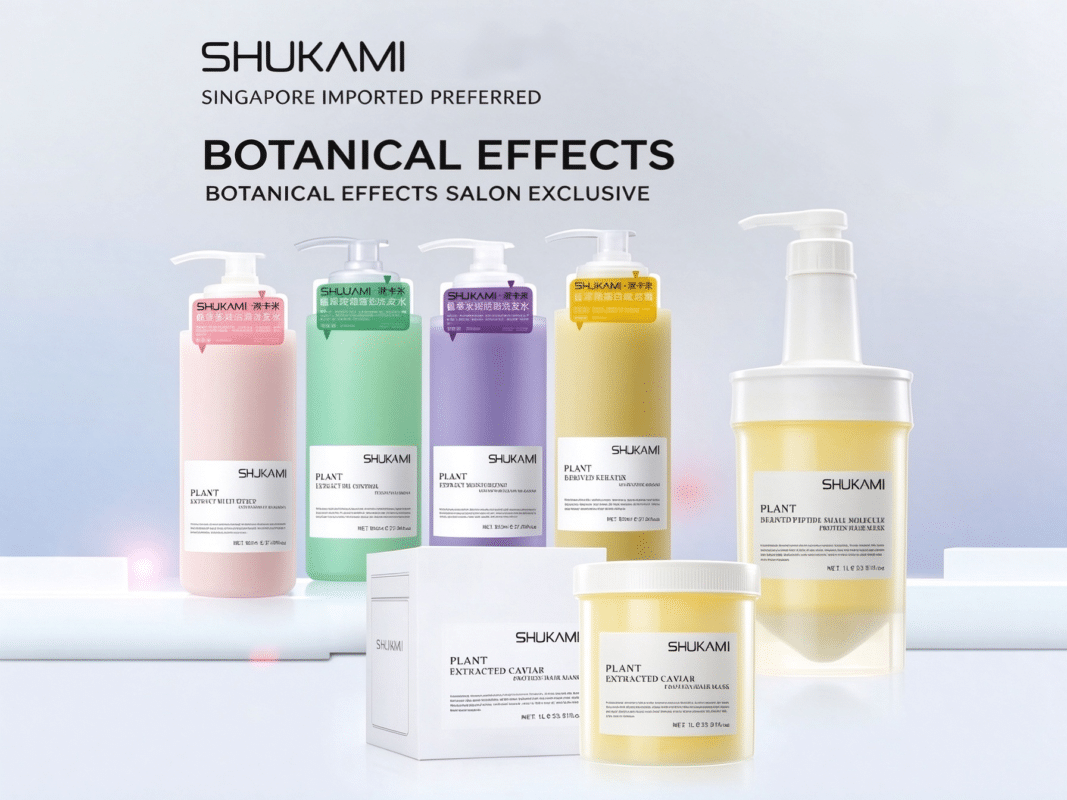
First, education is key. This guide explains why hair is damaged, which tools to use to style with care, and offers suggestions for finding the best products for dry, damaged hair from Shukami Hair to give your locks a nourishing new start and prevent issues down the line.
What Is Actually Causing Your Hair to Be Dry and Damaged?
Here's a snapshot of your hair's anatomy (so you can better understand what went awry). A hair shaft has three layers: the cuticle, or outer layer, which protects the inner layers and gives strands their shine; next is the cortex, home to strength-building keratin protein and pigment-making melanin. Finally, the medulla is the inner core. When your hair begins to break, frizz, and look dull, the outer layer has broken down2.
The environment could be to blame for why your hair feels like straw and looks like it needs moisture. Exposure to dry air, excessive sunlight, saltwater, and chlorine strips natural oils from your locks. Heat styling, applying harsh formulas, and overwashing are also culprits you might not realize are drying and damaging hair
Switching to a hair care routine for damaged hair can help keep these issues in check, restoring the strength and sheen of your strands.
The Best Wash Day Routine for Dry, Damaged Hair
Step 1: Pre-Shampoo or Scalp Prep
Dry, damaged hair needs more care than shampooing and conditioning alone can provide, which is why a pre-shampoo or scalp-prep formula should be part of the conversation. Different formulas tackle specific issues head-on—from repairing the shaft to moisturizing the scalp and hair
Pre-shampoo treatments are among the best hair products for dry, damaged hair, thanks to their ability to detangle, cleanse, and clarify (using scrubbing and detoxifying agents) to help remove product buildup
Step 2: Gentle Cleansing
Products containing harsh ingredients deserve a prominent place on your no-go list. For instance, traditional shampoos contain sulfates. The chemical gives shampoo its satisfying sudsiness and hair its squeaky-clean feeling, but it also has a stripping effect
Make sulfate- and paraben-free cleansing formulas like our Shukami Shampoo part of your damaged hair care routine instead. Its nourishing ingredients include amaranth protein, which addresses dryness and dullness while providing UV protection. Meanwhile, moringa oil delivers antioxidant defense.