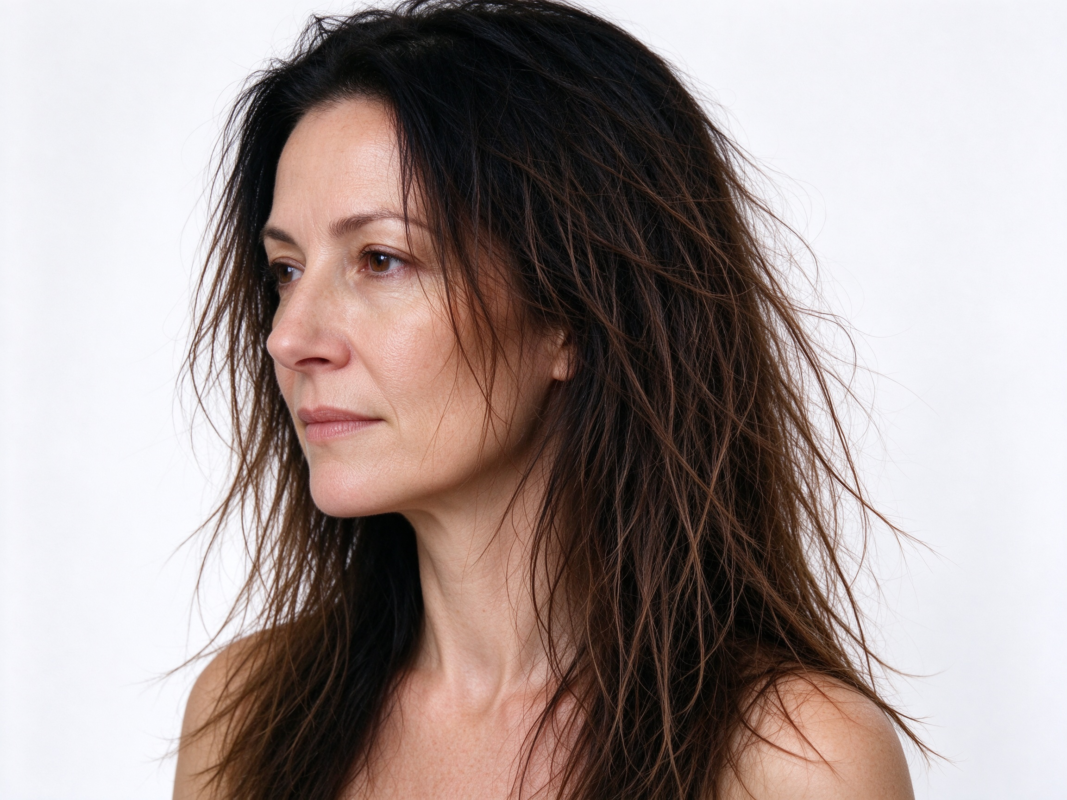
An Overview of Hair Health and Nutrition

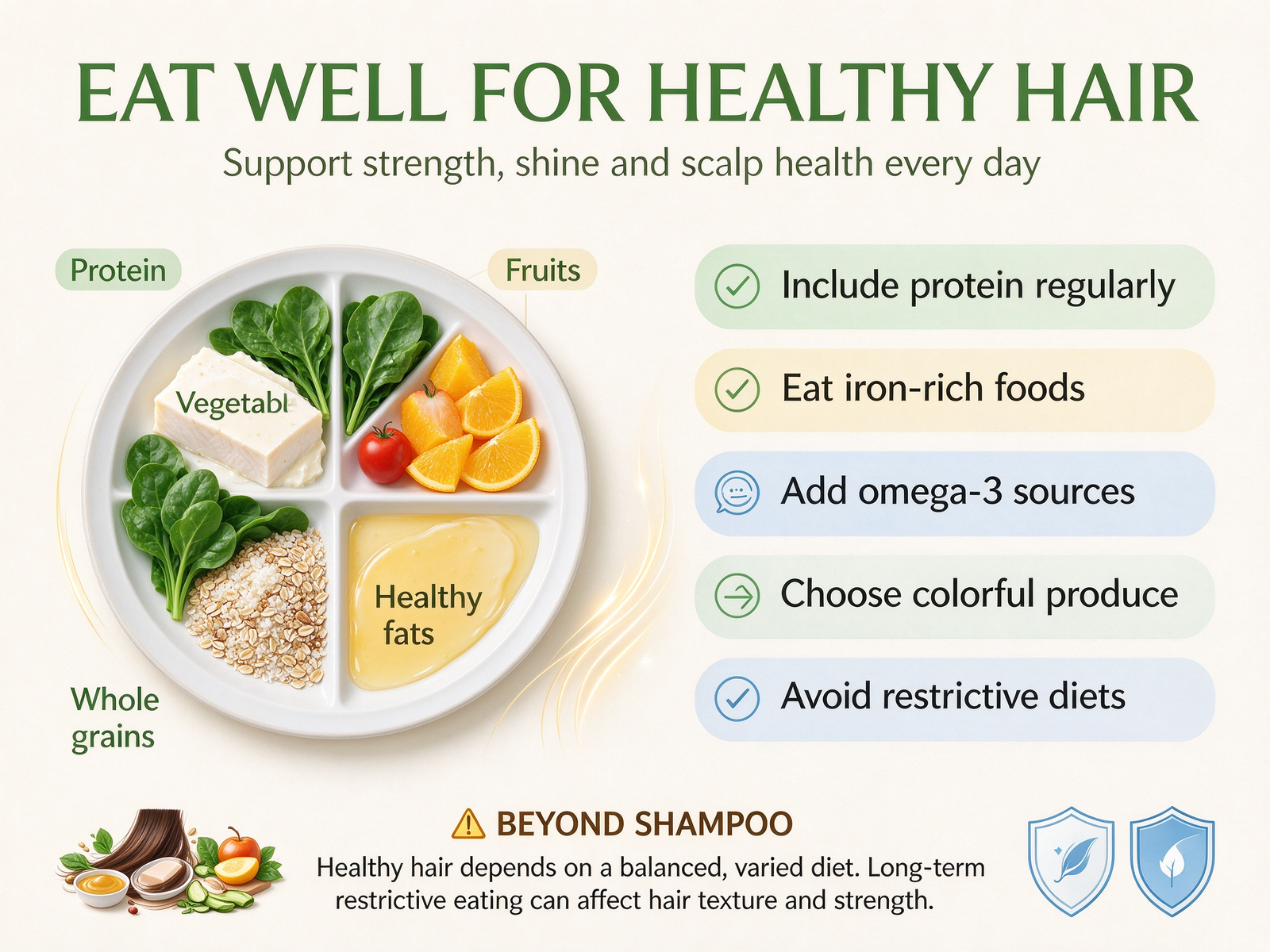
A healthy, balanced diet is essential for both overall physical well-being and the health of your hair. The vitality and condition of your hair are often the result of healthy daily choices—starting with what you put on your plate. One common cause of hair damage is a lack of protein, specifically the keratin that forms the structure of your hair. Therefore, a consistent intake of various essential nutrients is necessary to keep your hair strong and resilient.
Dry and Fragile Hair
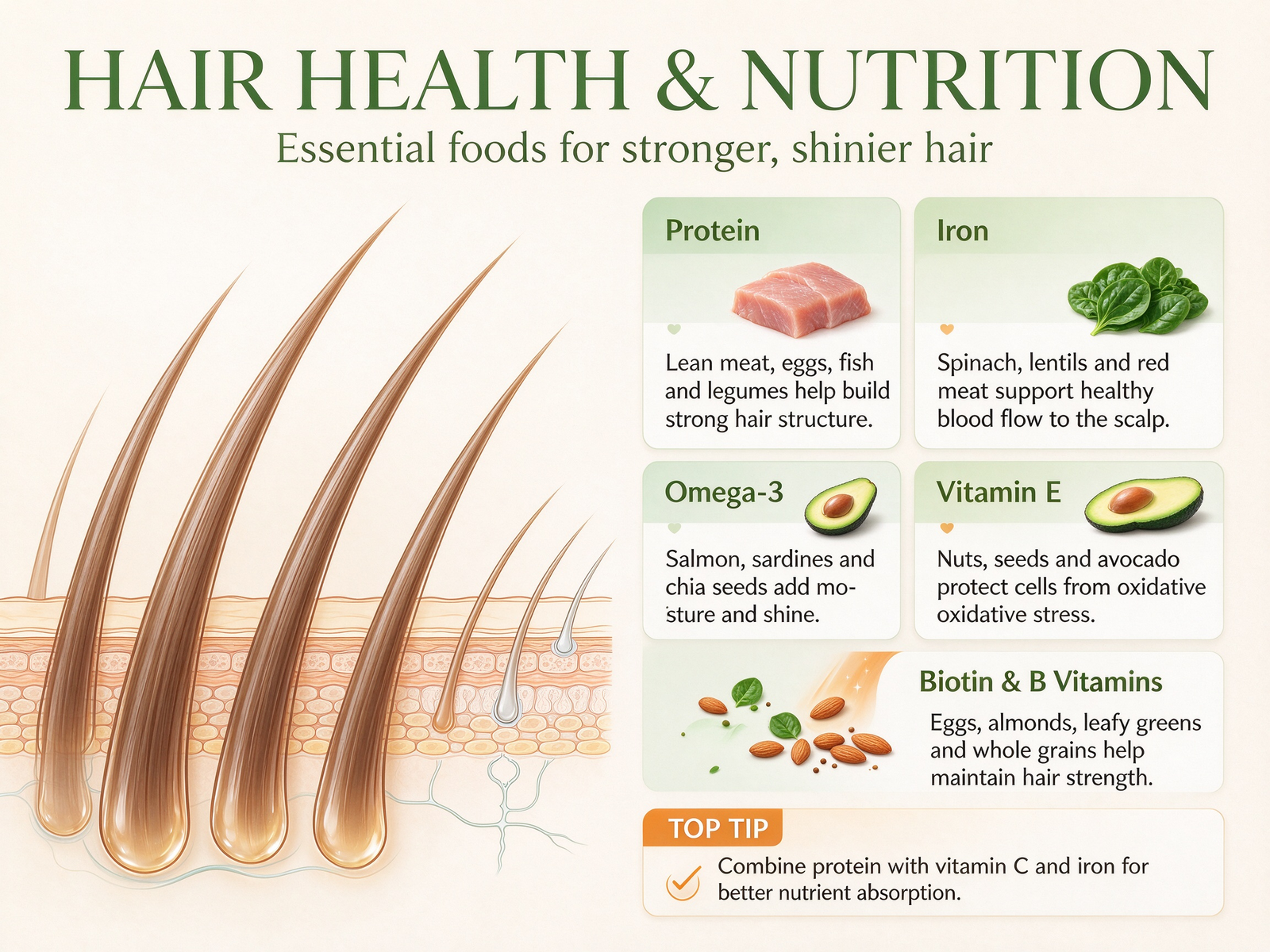
Dry and fragile hair may be linked to a deficiency in fatty acids. Fatty acids help maintain the strength, shine, and elasticity of hair. Flaxseed oil is rich in these fatty acids and can also be used as a culinary ingredient. Furthermore, Omega-3 and Omega-6 fatty acids are essential for overall health; nuts, dried fruits, and oily fish are excellent sources of these nutrients.
Dry hair is also prone to split ends. Preventing split ends requires an adequate intake of vitamin B5, which can be found in foods such as eggs, milk, fish, fruits, and vegetables.
Dandruff-Prone Hair
Excessive intake of saturated fats in your diet may exacerbate dandruff issues.
Dull Hair
Minerals and vitamins help enhance the shine and volume of your hair. For instance, zinc—found in meats like beef, lamb, and turkey, as well as in nuts, legumes, and sunflower seeds—is beneficial, as is selenium, which is present in bread, whole-wheat pasta, tuna, and egg yolks.
Hair Loss
If hair loss is persistent—rather than temporary or triggered by factors like seasonal changes or stress—it may be improved by consuming foods rich in vitamin E, such as carrots, parsley, and spinach.
Gray Hair
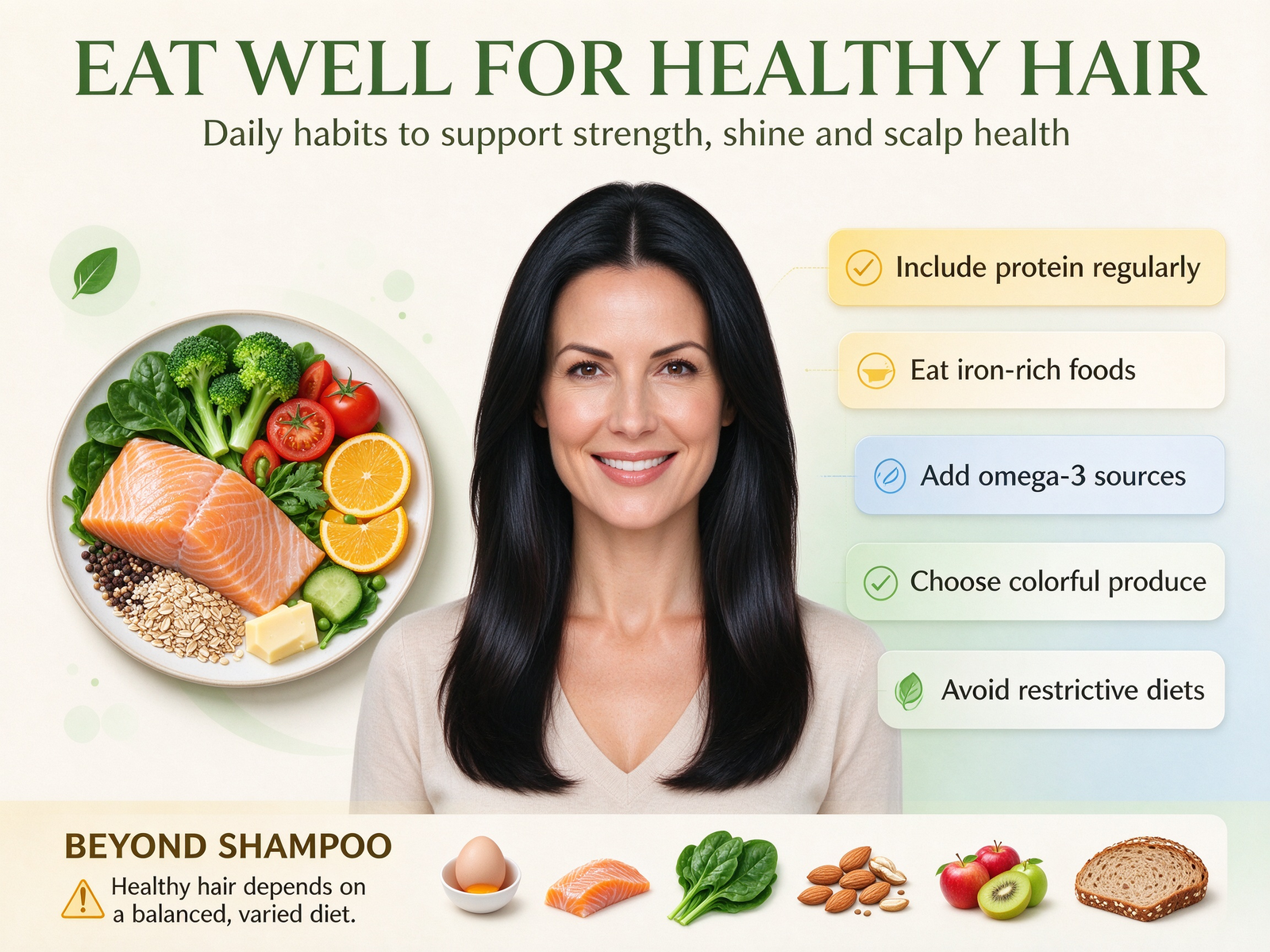
If you have gray hair, it is important to consume foods rich in antioxidants. You might consider incorporating more orange and yellow fruits, leafy green vegetables, brewer’s yeast, and copper-rich foods into your diet—copper is a key element in the production of melanin, which determines hair color.
Oily Hair
If you have oily hair, you may frequently deal with the need for regular washing and issues like hair becoming easily disheveled. This could be linked to a deficiency in vitamin B2—an essential vitamin found in foods such as fish, eggs, and leafy green vegetables.
Ultimately, healthy hair depends on a wholesome, balanced, and varied diet. You should avoid restrictive, single-food diets—such as consuming only pineapple or exclusively drinking vegetable soup—as long-term adherence to such regimens can lead to serious imbalances throughout the body, including in your hair.
Key Revisions
"Their health and vitality": Clarified to "the health and vitality of your hair."
"Protein deficiency, specifically regarding keratin—the building block of hair": Refined to "insufficient keratin" for a more natural flow.
"Fatty acids provide hair with 'hardness'": Changed to "help maintain the strength of your hair," as the term "hardness" in Chinese can be easily misinterpreted as referring to a coarse or stiff hair texture.
"Can only be prevented by consuming large amounts of vitamin B5": Adjusted to "requires an adequate intake of vitamin B5," avoiding the overly absolute implications of "only" and "large amounts."